Life In Dallas: What to Know Before You Move
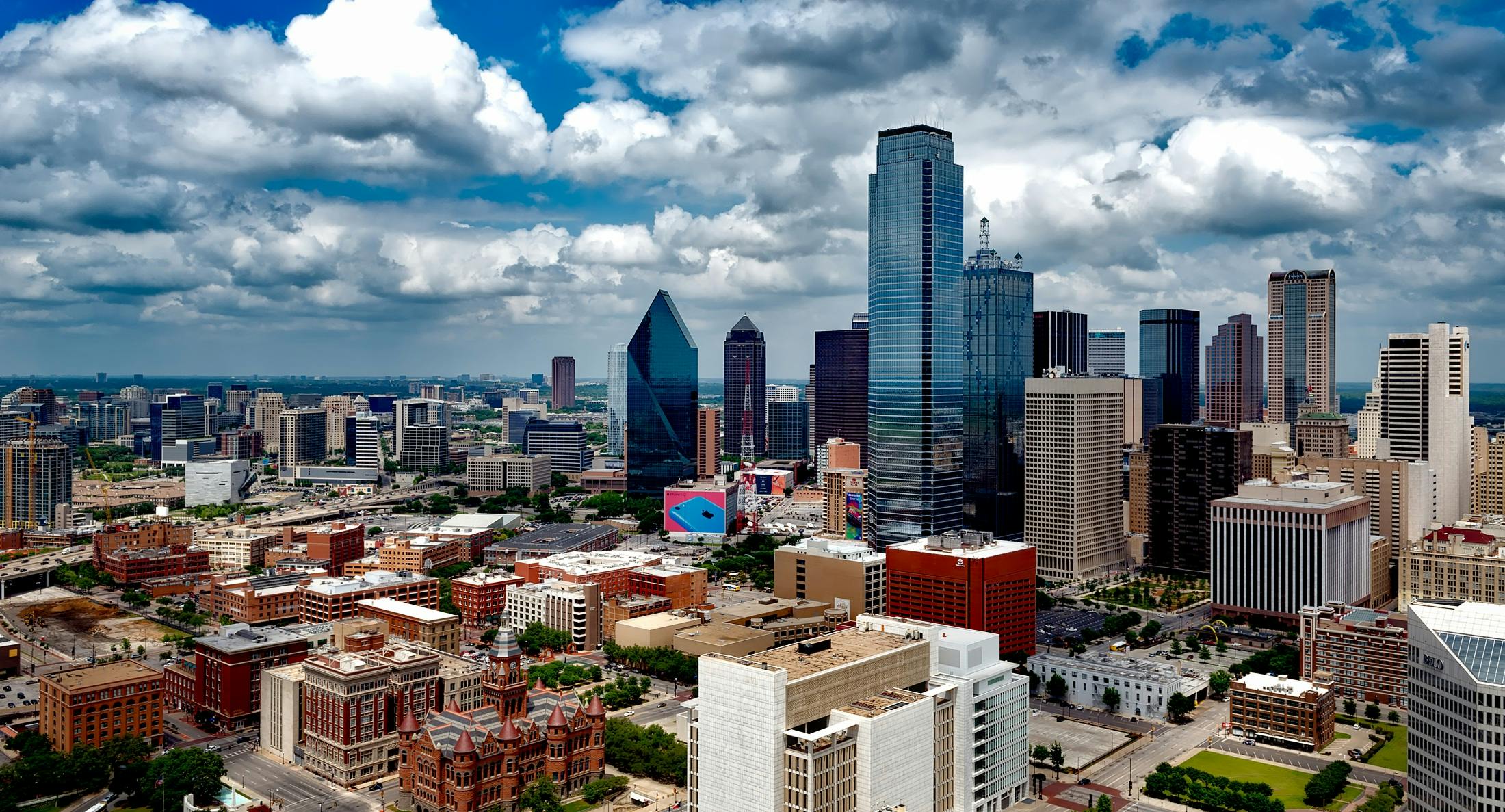
Dallas is one of the largest cities in the United States and part of one of the fastest-growing metropolitan regions in the country, but daily life here often looks different from what the skyline might suggest. Rather than revolving around a single downtown core, the city is spread across a wide area, with neighborhoods connected by major roads and highways.
That structure shapes everything from where people choose to live to how they plan their day. Commute times, access to restaurants and parks, and even social activities can vary noticeably depending on which part of the city you’re in.
This is partly a reflection of scale. Dallas forms part of the larger Dallas–Fort Worth metroplex, home to more than 8 million people. That scale brings a wide range of job opportunities and amenities, but it also means the city is often experienced in pieces rather than all at once. In practice, “Dallas” extends well beyond the city itself, with daily life unfolding across a wider region that includes surrounding suburbs and neighboring cities.
If you’re considering a move, life in Dallas usually comes down to where you base yourself — where you work, where you spend your time, and how far you’re willing to travel between those places.
Quick Facts About Living in Dallas
|
|
|
|
Population |
About 1.3 million people in Dallas and roughly 8.3 million in the Dallas–Fort Worth metro area. |
|
Major industries |
Technology, finance, healthcare, telecommunications, aviation, and logistics. |
|
Average summer highs |
Around 95°F in July and August. |
|
Transportation |
Most residents rely on cars, though Dallas Area Rapid Transit (DART) provides light rail and bus service. |
|
Major airport |
Dallas/Fort Worth International Airport, one of the busiest airports in the world. |
|
Arts district |
Largest urban arts district in the U.S., spanning 68 acres. |
|
Trail culture |
The Katy Trail, a converted rail line, is one of the city’s most popular daily running and biking routes. |
|
Lake access |
White Rock Lake offers a 9-mile trail loop within city limits. |
|
Annual event |
The State Fair of Texas, known for its fried food creations and the iconic Big Tex statue, draws millions of visitors each fall. |
|
Sports teams |
Home to major teams including the Dallas Cowboys (NFL), Mavericks (NBA), Rangers (MLB), and Stars (NHL), along with the Dallas Wings (WNBA) and FC Dallas (MLS). |
Why Do People Move to Dallas?
To understand Dallas’s appeal, it helps to start with its economy. The city sits at the center of one of the largest metropolitan regions in the United States, with major industries spanning technology, finance, healthcare, telecommunications, and logistics.
The region is home to multiple Fortune 1000 companies, reinforcing its role as a major business center. Large employers such as AT&T, Texas Instruments, and Southwest Airlines contribute to a steady flow of professionals moving to the metroplex. The breadth of industries means opportunities exist across a wide range of fields, from corporate roles to specialized technical work.
Travel is another factor. Dallas/Fort Worth International Airport is one of the busiest airports in the world, making it easier to reach destinations across the country and internationally.
Cost of living also plays a role. While Dallas is not necessarily inexpensive, it can feel more attainable than some coastal cities, particularly when it comes to housing. The absence of a personal state income tax is another consideration that influences relocation decisions.
What Is It Like to Live in Dallas Day to Day?
In Dallas, your daily experience will likely be shaped by a few consistent patterns: driving, neighborhoods, and the places you return to regularly. Keep in mind that Dallas is a hub-and-spoke city where residential life, work, and entertainment are often miles apart.
Most mornings begin with a commute, typically along major routes such as I-35E (the north-south backbone), I-30 (the east-west connector), and the Dallas North Tollway. Even short distances can involve traffic, making commuting a key factor when choosing where to live. The average commute time is around 25 to 30 minutes, although this can vary depending on distance and traffic conditions.
Public Transportation
Public transportation is available through Dallas Area Rapid Transit (DART), which operates one of the longest light rail systems in the United States, along with bus and commuter services. While DART can be useful for certain routes, most residents still depend on cars for their daily routines.
Housing and Neighborhoods in Dallas
Where you live plays an outsized role in shaping your experience of Dallas. In many cases, people choose their housing based on proximity to work, highways, or key areas of the metroplex. For example, you might base yourself near a major employment area such as the Legacy business corridor in Plano or the Las Colinas area near DFW Airport, where extended stay options can provide convenient access to nearby offices and major roadways.
Closer to downtown, neighborhoods such as Uptown and parts of East Dallas feature apartments, newer developments, and mixed-use areas with restaurants and retail nearby. These areas tend to attract young professionals and those looking for proximity to nightlife and cultural attractions.
Neighborhoods like Lower Greenville and the Bishop Arts District offer a more local feel, with independent shops, restaurants, and walkable streets. Other areas, such as Lakewood, provide quieter residential environments with single-family homes and access to outdoor spaces like White Rock Lake.
At the same time, many people choose to live in other parts of the Dallas–Fort Worth metroplex — including areas like Plano, Irving, Garland, or Fort Worth — where housing, commute times, or proximity to work may feel more practical. In areas farther east, options like Rockwall offer a more residential setting with access to outdoor spaces and a quieter pace of life when it comes to places to stay near Dallas.
Dallas Lifestyle: Neighborhoods, Food, Shopping, and Nightlife
In Dallas, daily life tends to center on a handful of go-to areas rather than the city as a whole. In many cases, you won’t live directly in the places you visit most often, but travel to them from where you’re based.
Arts and Culture
If you’re exploring the city’s cultural side, the Dallas Arts District is one of its defining centers. Home to institutions such as the Dallas Museum of Art and the Nasher Sculpture Center, it has grown beyond its original 68-acre footprint and remains the largest contiguous urban arts district in the United States.
Additional landmarks like the Sixth Floor Museum at Dealey Plaza and the George W. Bush Presidential Center offer historical context, while areas such as the Design District contribute galleries and creative spaces.
Parks and Outdoor Spaces
Outdoor spaces are a regular part of daily life in Dallas. Klyde Warren Park is one of the city’s most recognizable gathering places. Built over a freeway, it connects Uptown and Downtown and regularly hosts events, food trucks, and outdoor programming.
Elsewhere, the Katy Trail plays a central role in recreation, while destinations like the Dallas Arboretum and Botanical Garden and the Dallas Zoo offer additional options if you’re looking to spend time outdoors. Throughout the year, seasonal events — from spring festivals to holiday celebrations — shape how people experience the city.
Food Culture
Dining is a big part of how people spend their time in Dallas. Tex-Mex remains a defining feature of local food culture, while steakhouses and barbecue restaurants reflect the city’s Texas roots.
Across the metroplex, newer restaurant districts and food halls have expanded options. Whether you’re meeting friends or trying a new area, food is a central part of the experience as you explore some of the many places to eat in Dallas.
Groceries and Shopping
Retail plays a major role in Dallas lifestyle. NorthPark Center combines high-end retail with museum-quality art installations, while Galleria Dallas offers hundreds of stores along with an indoor ice-skating rink.
Day-to-day errands often include stops at grocery stores such as Kroger, Whole Foods, Trader Joe’s, and Central Market, depending on what’s closest to where you’re based.
Nightlife
Evenings in Dallas typically center around specific districts rather than a single nightlife area. You might go to Deep Ellum for live music and murals, or to Uptown and Lower Greenville for restaurants, bars, and patio dining. For sports fans, the Dallas Mavericks and Dallas Stars play at the American Airlines Center, adding to the city’s evening and weekend entertainment options.
Education and Universities
Dallas is served by multiple public-school districts and private schools, along with colleges and universities across the region. Nearby institutions include Southern Methodist University and the University of Texas at Dallas, which contribute to both the local economy and the surrounding neighborhoods.
How to Make Friends in Dallas
Building a social circle in Dallas tends to happen gradually. Restaurants and bars in areas like Lower Greenville or Uptown are common meeting points, while weekend visits to events at Klyde Warren Park can offer more informal ways to connect. Recreational sports leagues and local events also bring people together outside of work.
You might also spend time at places like White Rock Lake or the Dallas Farmers Market, where regular visits can lead to familiar faces. In a city this large, the more consistently you return to the same places, the more likely you are to build connections over time.
Pros and Cons of Living in Dallas
Like any major city, Dallas offers a mix of advantages and tradeoffs.
Pros of Living in Dallas
- Strong job market: Opportunities across a wide range of industries supported by a large metropolitan economy.
- Travel convenience: Dallas/Fort Worth International Airport provides extensive domestic and international connections.
- Dining and shopping: A well-established restaurant scene and major retail destinations.
- Neighborhood variety: A range of environments, from entertainment districts to quieter residential neighborhoods.
Cons of Living in Dallas
- Hot summers: Long, hot, and often humid, with occasional thunderstorms or severe weather during peak season.
- Car dependence: Heavy reliance on driving for commuting and daily errands.
- Urban sprawl: Distances between neighborhoods can be significant.
- Cost considerations: Housing and transportation still represent major expenses, even if Dallas may feel more attainable than some coastal cities.
Like most metropolitan areas, safety conditions vary by neighborhood in Dallas. It generally makes sense to research specific areas and visit neighborhoods in person before deciding where to live.
Benefits of an Extended Stay Hotel
If you’re considering a move to Dallas but haven’t decided where to live, an extended stay hotel can offer a practical way to get to know the city. With locations across the metroplex — including Irving, Plano, Rockwall, and Fort Worth — extended stay hotels make it easier to position yourself near different job centers, transportation routes, and neighborhoods.
Designed for longer visits, extended stay properties commonly include features like in-room kitchens and offer weekly or monthly rates, making it easier to stay while you explore. This flexibility gives you time to compare places, test commute times, and decide which part of Dallas fits your lifestyle before committing to an area.
Is Dallas a Good Place to Live?
For those open to career opportunities and a wide range of lifestyle options, life in Dallas can be a strong fit. The city’s scale, summer heat, and reliance on driving may take some adjustment, but they also shape a way of living that is flexible and varied.
Over time, many people find that Dallas becomes easier to navigate as routines take hold. Once you find your rhythm, the city begins to feel both manageable and expansive, offering a mix of variety and energy shaped by the neighborhoods you choose to call home.