Life in Denver: What to Know Before Moving to the Mile High City
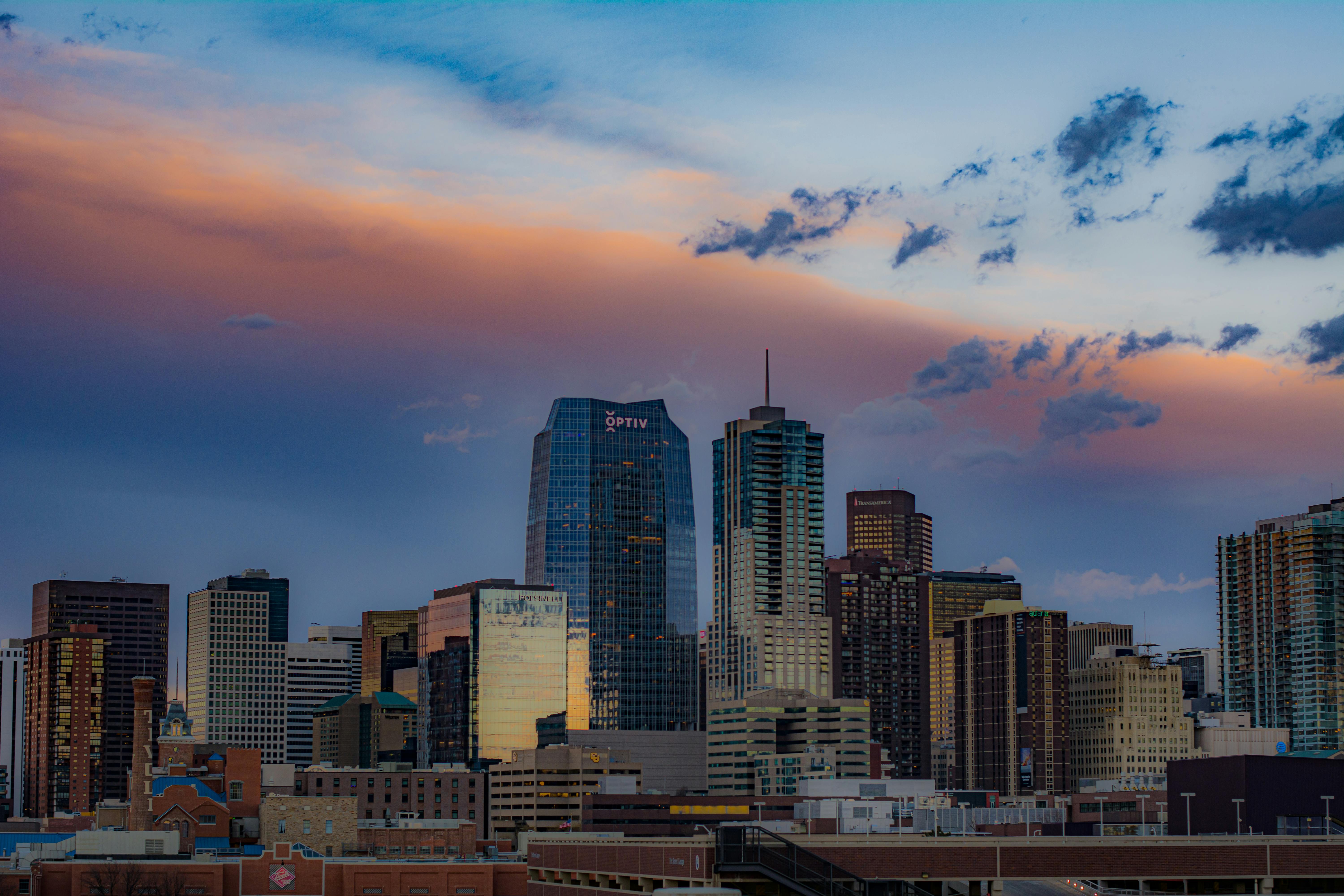
Perched on the edge of the Rocky Mountains, Denver is widely associated with mountain views, easy access to the outdoors, and an active, year-round lifestyle. That reputation is well earned, but it doesn’t fully capture what life in Denver actually feels like day to day.
In practice, Denver functions like a basecamp city, a network of communities shaped as much by proximity to the mountains as by the city itself. It’s close enough to the foothills to influence how people plan their weeks, while still operating as a distinct urban environment with its own internal geography.
During the week, Denver feels like a growing, mid-sized city with a strong job market and an increasingly dense urban core. The broader metro area generates more than $300 billion in annual economic output, reflecting its role as one of the largest economic centers in the western United States.
On weekends, the rhythm shifts. Traffic patterns change, hiking trails fill up, and I-70 heading into the mountains becomes one of the busiest routes in the region. This mix of urban life and outdoor access is what draws people to Denver, and part of what makes it feel easier to settle into than larger metros.
Quick Facts About Living in Denver
A few key details help frame how Denver works day to day:
|
|
|
|
Location |
Central Colorado along the Front Range, with direct access to the Rocky Mountains just west of the city. |
|
Population |
Roughly 700,000 residents in the city and about 3 million across the Denver–Aurora–Lakewood metropolitan area. |
|
Elevation |
5,280 feet above sea level (the “Mile High City”), which can take time to adjust to if you’re new to higher elevations. |
|
Climate |
Four distinct seasons, with cold winters but frequent sunshine. Snow is common but often melts quickly due to the dry climate. |
|
Transportation |
Heavily car-dependent, with most residents relying on corridors like I-25 and I-70. The A Line train connects Union Station to Denver International Airport in about 35–40 minutes. |
|
Major airport |
Denver International Airport handles more than 80 million passengers each year, making it one of the busiest airports in the United States. |
|
Key neighborhoods |
LoDo (Lower Downtown), RiNo (River North), Highlands, Capitol Hill, Washington Park, and Cherry Creek each offer distinct lifestyles. |
|
Lifestyle |
Active and generally casual, with a strong emphasis on time outside. |
|
Sporting teams |
Home to major professional teams including the Denver Broncos (NFL), Denver Nuggets (NBA), Colorado Rockies (MLB), and Colorado Avalanche (NHL), as well as Major League Soccer’s Colorado Rapids. |
Why People Move to Denver
Denver’s growth has been largely driven by a mix of economic opportunity and lifestyle appeal. The metro area supports more than 1.6 million jobs across a range of industries, with employment spread across downtown, suburban business districts, and regional corridors.
Working in Denver
If you’re moving for work, you’ll likely find that employment is distributed rather than centralized, from downtown offices to hubs like the Denver Tech Center — a major business district in the southeast of the metro, where extended stay options provide access to nearby offices and major roadways.
Additionally, the Denver metro area functions as a regional hub for healthcare, drawing professionals, patients, and families from across the Mountain West. Institutions such as the University of Colorado Anschutz Medical Campus and National Jewish Health serve as referral centers for ongoing care.
The region also has a strong presence in aerospace and federal research, supported by a network of national laboratories and research institutions across the Denver–Boulder corridor.
Denver’s Lifestyle
Work aside, Denver appeals to a wide range of people for different reasons. Some move here for trails, ski weekends, and sunshine, while others are drawn to the city’s scale and its quality of life. What ultimately sets Denver apart is how integrated outdoor access becomes, with the mountains shaping how people spend their time.
What Life in Denver Actually Feels Like
Daily life in Denver often starts with movement. If you’re near Washington Park, you might join the steady flow of runners and cyclists looping the park before work. Just a few miles to the north, the Cherry Creek Trail doubles as both a recreational path and a commuting route.
This blend of recreation and commuting is key to how Denver functions. Central neighborhoods offer easier access to parks, restaurants, and walkable areas, while outer areas often mean more driving but quicker access to major highways. Across the metropolitan area, average commute times hover around 25 minutes, though your experience can vary depending on location and route.
Denver tends to feel socially fluid, too. Because many residents have moved here from elsewhere, it can be easier to find people in a similar stage of life. Community typically forms through neighborhoods, parks, schools, breweries, and shared activities. Plus, the city is famously dog-friendly, reflecting how much time people spend outside.
Neighborhoods and How the City Works
To understand how life plays out day to day, it helps to look at how the city is laid out. The Denver metro area extends into areas like Aurora, Centennial, Commerce City, and Greenwood Village, connected by corridors such as I-25 and I-70 which shape how people move through the region. Downtown and LoDo form the central hub, while RiNo, the Highlands, Cherry Creek, and the Denver Tech Center each serve different roles.
Outside these areas, the city transitions quickly into lower-density neighborhoods and suburban communities, particularly to the north and northeast of the city, with locations which generally offer more space and easier parking.
Denver Shopping, Dining, and Nightlife
Denver hosts a wide mix of retail centers and neighborhood stores. Cherry Creek is the main shopping district, while outlet shopping clusters north of the city near Denver Premium Outlets. Areas like RiNo and South Broadway offer a mix of independent shops and restaurants, while Union Station anchors a more centralized downtown experience.
Dining plays a central role in how people spend time, whether that’s a quick weeknight meal, weekend brunch, or meeting friends at one of Denver’s diverse breweries. For nightlife, LoDo, RiNo, South Broadway, and Union Station each offer different experiences.
For many people, the social scene is less about one central district and more about multiple pockets of activity, each with its own character. Routines are spread across the metro, meaning social life can still feel active without requiring a formal night out.
Outdoor Recreation and The Colorado Lifestyle
Outdoor recreation is central to life in Denver, but access can vary depending on where you are. Living on the west or north side makes it easier to reach the foothills quickly, with areas along the northwest corridor offering more direct access to both the mountains and the city. From other parts of the metro, getting to open space may take a little longer.
Once you’re out there, the options are extensive, with hiking, mountain biking, skiing, and climbing all within reach. For many Denverites, the appeal is simply having nature nearby. You don’t need to be highly active to feel at home.
Within the city, parks play an important role. City Park offers mountain views, while Sloan’s Lake is a popular place to unwind at the end of the day.
Cost of Living in Denver
Affordability remains one of the main considerations in moving to Denver. The city’s popularity has pushed costs above what people might expect from an inland metro. Housing tends to be the biggest driver of cost, particularly in neighborhoods close to downtown or major lifestyle hubs.
Even as price growth has cooled, cost still shapes how many people approach a move here. In practice, that typically means balancing location, commute, and convenience rather than simply choosing a neighborhood based on first impressions.
Pros and Cons of Living in Denver
Like any city, Denver comes with advantages and drawbacks that are important to weigh:
Pros of Living in Denver
- Access to the Mountains: You’re never far from hiking, skiing, or other outdoor activities.
- Sunny Climate: Even in winter, you’ll experience frequent sunshine.
- Active Lifestyle: Parks, trails, and outdoor spaces are part of everyday life.
- Growing Job Market: Opportunities continue to expand across multiple industries.
- Social and Food Culture: Restaurants, breweries, and casual gathering spots are a regular part of life.
Cons of Living in Denver
- Housing Costs: Prices are higher than you might expect for an inland city.
- Traffic Patterns: Commuting can be unpredictable, and weekend traffic toward the mountains is common.
- Altitude Adjustment: It may take time for your body to adjust to the elevation.
- Dry Climate: Low humidity can be noticeable, especially if you’re new to the region.
- Seasonal Factors: Wildfire smoke and changing weather conditions can affect parts of the year.
As with any metropolitan area, safety can also vary by neighborhood. Busier areas may see more issues, while many residential and suburban areas feel quieter.
Because of this variation, it’s helpful to look beyond citywide trends and focus on specific neighborhoods. Spending time in an area at different times of day can help you get a better sense of what it’s really like to live there.
Benefits of An Extended Stay Hotel
Relocating to Denver rarely happens all at once. Because the metro is spread across multiple corridors, what seems convenient on a map can feel very different once you’re here. Commute times, access to highways, and proximity to parks or work all shape your daily routine in ways that aren’t immediately obvious.
An extended stay hotel offers a more flexible alternative to a traditional lease, with features designed for longer visits, such as in-room kitchens, on-site laundry, and weekly or monthly rates. This setup can make it easier to maintain a routine while you explore different parts of the city and start to find your feet.
Contemplating Life in Denver
Life in Denver is shaped by many factors, like your daily commute and the neighborhoods you spend time in. If you’re drawn to an active lifestyle, the combination of urban amenities and access to the mountains can be hard to match.
At the same time, rising demand across the metro means that where you choose to stay or live will likely have a direct impact on your overall cost of living. Taking the time to understand how the city works can make that decision clearer.
Overall, Denver offers a balance that feels increasingly rare: a place where work, social life, and outdoor recreation are closely connected. For newcomers, the real appeal is not just what Denver offers on paper, but how many ways there are to make a life.